
Printers
Take the Next Step
Start Making an Impact Today
Free Consultation? 9654699125
Barcode Printer
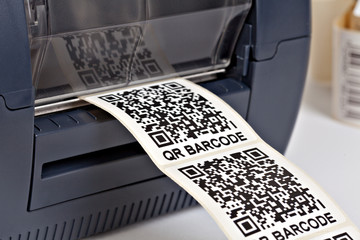

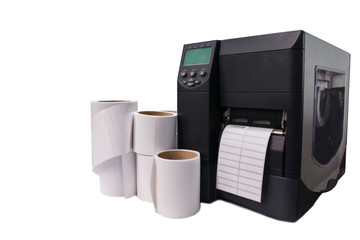
Barcode label printers are specialized devices used to print barcode labels for various applications. These printers are commonly used in industries such as retail, manufacturing, healthcare, logistics, and many others where barcode labels are essential for efficient tracking and inventory management.
Barcode label printers may be used for the following purposes:
1)Product Inventory Management: E-commerce websites often use barcode label printers to create labels for products in their inventory. These labels can be attached to products to simplify tracking and order fulfillment processes.
2) Shipping and Order Processing: Websites that handle online orders can use barcode labels to track packages and shipments. Barcode label printers can print shipping labels with relevant information, including the destination address, tracking number, and other details.
3) Asset Tracking: Websites and online businesses that have physical assets, such as equipment or tools, can use barcode labels to track and manage these assets efficiently.
4)QR Codes for Marketing: Some websites use QR codes, a type of 2D barcode, for marketing purposes. Barcode label printers can print QR codes on promotional materials, product packaging, or even business cards.
5) Event Ticketing: Websites that sell tickets for events or conferences can utilize barcode label printers to generate barcode-based tickets for attendees.
When choosing a barcode label printer consider the following factors:
Print Speed: Depending on your volume of labels to be printed, consider the printer’s speed to ensure efficient printing.
Print Resolution: Higher print resolution ensures better barcode readability.
Connectivity: Look for printers that offer the connectivity options you need, such as USB, Ethernet, or wireless.
Barcode Types: Ensure the printer supports the barcode symbologies required for your website’s needs.
Label Size and Type: Consider the range of label sizes and materials the printer can handle to meet your specific requirements.
Software Compatibility: Check if the printer is compatible with the software or programming language you intend to use for generating barcode labels.
Industrial Coding Printers
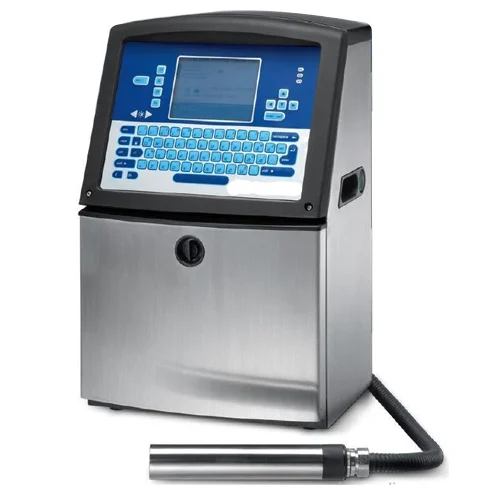
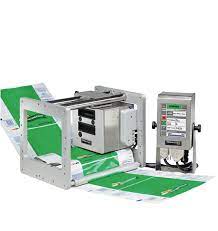
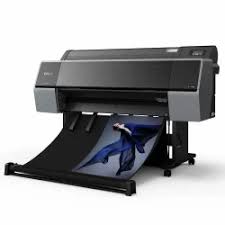
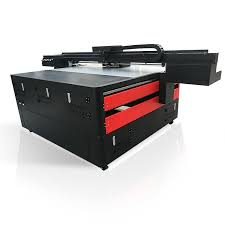
Industrial batch coding and barcoding printers are specialized devices used in manufacturing and industrial settings to print information such as batch numbers, date codes, barcodes, QR codes, and other product identification data on packaging materials, labels, or directly on products. These printers play a crucial role in ensuring product traceability, compliance with regulations, and efficient inventory management in industrial environments.
Continuous Inkjet printer(CIJ):
This printing method is commonly used for industrial coding and marking applications, like printing expiration dates, barcodes, batch numbers, and other variable data on product packaging. It offers high-speed printing, precision, and versatility, making it suitable for a wide range of industries and applications.
Thermal transfer Overprinter(TTO):
A Thermal Transfer Overprinter (TTO) is a type of printing technology used to apply high-resolution codes, text, and graphics onto flexible packaging materials in various industries such as food and beverage, pharmaceuticals, cosmetics, and more. It is commonly used for printing barcodes, expiration dates, batch numbers, and other variable information on packaging materials like plastic films, labels, and foil.
Thermal Inkjet Printer(TIJ):
A Thermal Inkjet Printer is another type of printing technology commonly used for various applications, including document printing, label printing, and industrial coding. It operates on the principle of thermal heating to propel tiny droplets of ink onto the printing surface, typically paper or other porous materials and non porous materials.
Laser Printer:
Industrial laser printers and laser marking machines are primarily used to produce precise, clearer, and long-lasting markings on a range of product substrates, including paper and plastic goods as well as metallic components. Such marking enables the clients to establish traceability for regulatory/supply chain tracking objectives in addition to dealing with counterfeits.
Here are some key features and applications of industrial batch coding and barcoding printers:
Variable Data Printing: These printers are capable of printing variable information, such as batch numbers, manufacturing dates, expiration dates, serial numbers, and other unique identifiers, on individual items or packaging materials.
Barcoding and QR Code Printing: Industrial barcode printers can generate and print barcodes (1D) and QR codes (2D) on product labels or packaging. Barcodes enable automatic data capture, inventory tracking, and faster checkout processes.
High-Speed Printing: Industrial printers are designed for high-volume production environments, offering faster printing speeds to keep up with manufacturing demands.
Print Resolution: They typically provide high print resolution to ensure barcode scannability and legibility of small text on labels.
Ink Types: Depending on the printer type, ink options may include inkjet, thermal transfer, or laser technology. Inkjet printers use liquid inks, while thermal transfer printers use ribbons to transfer ink onto labels or packaging materials.
Substrate Compatibility: Industrial printers are built to handle various substrates, such as cardboard, plastic, metal, glass, or flexible packaging materials.
Integration with Production Lines: Many industrial printers are designed to integrate seamlessly with production lines and packaging machinery, allowing for automated printing and application.
Compliance and Serialization: These printers assist in meeting regulatory requirements, especially in industries like pharmaceuticals, where serialization is necessary to prevent counterfeiting and ensure product authenticity.
Remote Management: Some advanced industrial printers may offer remote monitoring and management capabilities, allowing for better control and maintenance.
Popular brands that manufacture industrial batch coding and barcoding printers include Zebra Technologies, Videojet, Markem-Imaje, Domino Printing, and SATO, among others. Each brand offers various printer models with specific features suited for different industrial applications and printing requirements.
When choosing an industrial batch coding and barcoding printer, consider factors such as printing speed, resolution, connectivity options, substrate compatibility, ease of integration, and maintenance requirements. Assess your specific production needs and consult with vendors or experts to find the best printer that aligns with your industrial printing requirements.